Reading
Books That Shaped Me
Every year, I read almost 40 books. Physics, philosophy, biology, entrepreneurship — the ones I keep coming back to. These books shaped how I think and what I believe →
I think that our mind is like a Google Map. We should make sure there are fewer areas that are pixelated — so from the youngest age possible we want to build an accurate map of the world. The best way to do that is to consume as much information as possible, which is easiest through books. Through this we create a mental model of the universe, and the more accurate that model is, the better our decision making becomes.
Every night, 1 hour before going to bed, I stop everything and just take a book to read. This makes me relax, reflect on my day, enriches my experience, and sets me up for the next.
Currently Reading

AI 2041
- AI will reshape every major industry within 20 years — the companies that adapt earliest will capture outsized value.
- Human creativity, empathy, and moral judgment are the last irreplaceable advantages in an automated world.
- The ethical frameworks and governance structures we build now will determine whether AI amplifies or undermines human dignity.

Superintelligence
- The first machine with human-level general intelligence may be the last invention we ever need to design — because it can design everything else.
- The alignment problem — ensuring AI goals match human values — must be solved before capabilities surpass our ability to course-correct.
- Civilisational risk from advanced AI isn't science fiction; it's the most consequential engineering challenge of the next century.
Science & Future

The Fabric of Reality
- Reality is understood by connecting ideas across disciplines.
- Good explanations are testable and survive serious criticism.
- Progress starts when we challenge limits with better questions.

The Beginning of Infinity
- Knowledge is built through bold conjectures and criticism.
- Progress is open-ended when societies protect reason and freedom.
- Good explanations are hard to vary and unlock better decisions.

Life 3.0
- AI outcomes depend on proactive design, not passive optimism.
- Alignment and governance matter as much as technical performance.
- Long-term thinking is essential when building powerful systems.

The Singularity Is Near
- Technological change often compounds faster than intuition predicts.
- Adapting early to exponential trends creates strategic advantage.
- Human-centered innovation should scale capability without losing values.
Philosophy & Mindset

The Almanack of Naval Ravikant
- "Play long-term games with long-term people."
- "Read what you love until you love to read."
- "Happiness is a skill you can train."

Tao Te Ching
- "Nature does not hurry, yet everything is accomplished."
- "Knowing others is intelligence; knowing yourself is true wisdom."
- "When I let go of what I am, I become what I might be."

Discourses
- "It's not what happens to you, but how you react to it."
- "No man is free who is not master of himself."
- "Wealth consists not in having great possessions, but in having few wants."

Meditations
- "You have power over your mind — not outside events."
- "The obstacle is the way."
- "Waste no more time arguing what a good man should be. Be one."
Entrepreneurship & Execution

Tools of Titans
- World-class performance is built from repeatable daily systems.
- Energy, focus, and reflection are strategic assets for founders.
- Learning from many disciplines sharpens judgment under pressure.
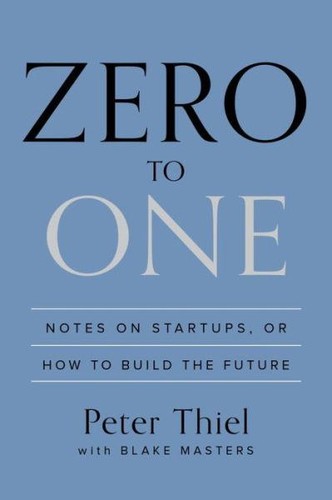
Zero to One
- Build unique value instead of competing in crowded markets.
- Strong distribution is as important as strong product design.
- Bold, contrarian thinking can unlock outsized opportunity.
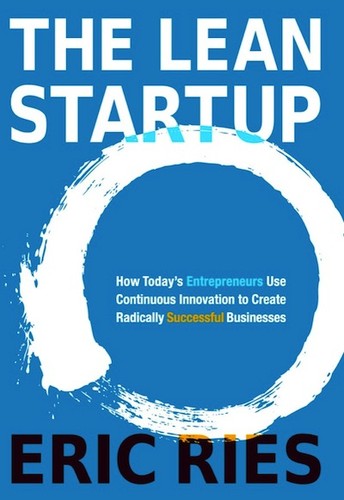
The Lean Startup
- Test assumptions fast before over-investing in execution.
- Validated learning should guide product and growth priorities.
- Iteration speed can become a long-term competitive advantage.

Shoe Dog
- Building iconic companies requires resilience through chaos.
- Mission-aligned teams can outperform when resources are tight.
- Conviction and consistency matter more than short-term comfort.